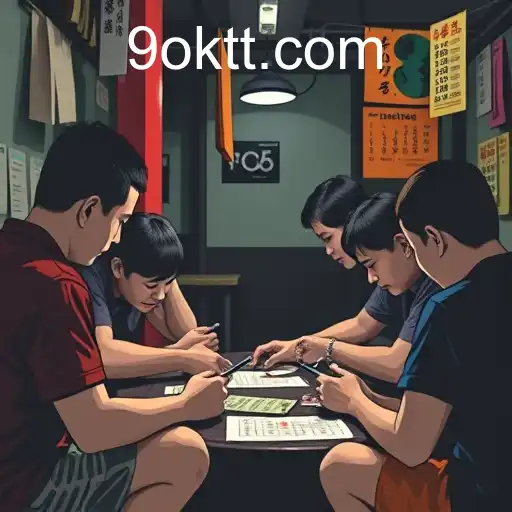
Uncovering the Intricacies of Jueteng: A Philippine Phenomenon
Jueteng, a popular numbers game in the Philippines, has been deeply ingrained in the socio-economic and political fabric of the nation. Despite being illegal, it continues to thrive, captivating millions with its promise of quick wealth. The game’s allure and persistence reveal intricate layers of influence and challenge within Filipino society.
The Mechanics of Jueteng
The simplicity of Jueteng is part of its enduring appeal. The game involves players choosing a combination of two numbers, ranging from 1 to 38. Bets are placed with local operators, often referred to as 'kubradors.' These kubradors collect and remit the wagers to coordinators who oversee the operation in specific areas.
Draws are usually conducted twice daily and involve a random selection process. Winning numbers are determined through a manually operated betting board or sometimes electronically. Given the wide base of participants, even small winnings can result in significant windfalls, feeding into the cycle of addiction and frequency of play.
Jueteng's Roots and Popularity
Jueteng has etymological roots traced back to Chinese immigrants, reflecting the long history of Chinese influence in the region. Over time, it has evolved to suit local tastes, adopting a unique identity within the Philippine culture. Its widespread appeal is evident in both urban centers and rural areas, often bridging socio-economic divides.
One reason for its popularity is its perceived accessibility. Unlike more formal lottery systems, Jueteng requires minimal investment and offers a perceived egalitarian chance at success. The cost of participation is low, making it accessible to lower-income players who form a significant portion of its audience.
The Social Dynamics of Jueteng
While Jueteng offers a glimmer of financial hope, it can also exacerbate socio-economic inequalities. Many participants struggle with economic hardship, and the small gamble is often perceived as their only feasible venture into financial improvement. This optimism, however, can lead to further financial strain, reinforcing cycles of poverty.
Interestingly, despite its illegal status, Jueteng operates with an almost institutional acceptance in many communities. Local officials sometimes turn a blind eye due to various factors, including alleged financial kickbacks. This tacit approval allows the cycle to continue, further entwining Jueteng with local culture and power structures.
Jueteng in the Political Arena
One of the most challenging aspects of eradicating or controlling Jueteng is its political entanglement. The game is often used as a political tool by candidates, who promise to either eradicate or provide leniency towards it, depending on their audience. It serves as a fundraising mechanism and a source of influence for political campaigns.
Politicians who benefit from the network of Jueteng often find themselves caught in a web of moral compromise. Attempts to regulate or eliminate the game from a governmental standpoint can lead to complex bureaucratic dynamics, often resulting in piecemeal and ineffective solutions. This reflects the intricate, often contentious relationship between politics and grassroots economic movements in the Philippines.
Oktt: The Economic Impact
The keyword “oktt” is often brought into discussions as an informal term referring to the strong, unpredictable swings in local economies driven by Jueteng. With cash circulating from these bets, small communities can experience varying degrees of economic activity. However, the lack of proper regulation means these benefits are fickle and unsustainable in the long run.
From a macro-economic perspective, Jueteng diverts sizeable amounts of money from more productive economic activities. Yet it can also provide essential, albeit temporary, fiscal relief to gamblers who strike it lucky. The dual nature of its economic impact illustrates the complexity of potential reform.
The Challenge of Reform
Attempts at reforming or legalizing Jueteng have been ongoing for decades. Proponents of legalization argue it could transform an underground economy into a regulated industry, generating tax revenue and creating legitimate employment opportunities. However, opponents warn that legalizing Jueteng may increase problem gambling and social neglect.
Any attempt to reform must navigate the societal acceptance of the game, economic implications, and deeply rooted political interests. As of today, Jueteng continues to exist in a grey zone, neither fully underground nor officially sanctioned. This liminal state presents unique challenges for policymakers attempting meaningful intervention.
The Cultural Implications
Jueteng is more than a mere numbers game; it is a phenomenon reflecting cultural themes of luck, fate, and hope. It embodies the uniquely Filipino spirit of ‘bahala na’—a belief in trusting fate—to justify participation amidst uncertainty. This cultural ethos is difficult to displace, offering a lens into how traditional beliefs persist in contemporary practices.
The game’s cultural implications extend beyond economics, impacting communal bonds and social identities. For many, the routine of participating in Jueteng fosters a sense of belonging and participation in a group activity that transcends social and economic barriers.
Conclusion
Jueteng’s existence highlights the interplay between legality, economy, and culture in the Philippines. Despite its challenges, it remains an indispensable part of the local fabric, demanding nuanced understanding and comprehensive strategies for any future resolution. Whether approached as an economic liability, a cultural fixture, or a political conundrum, its role in the Philippines remains undeniably significant.